This list serves as a guide to commuter, motorcycles. It’s not an official segment of motorcycles, but certain lifestyles demand daily transportation in and out of urban areas, and a small motorcycle is the perfect answer. The five motorcycles included vary in size, style and price but are all perfect for navigating the daily grind.
Prefer to skip directly to the picks? Click right here.
The Short List
Best All-Around Commuter: 2018 Ducati Monster 821
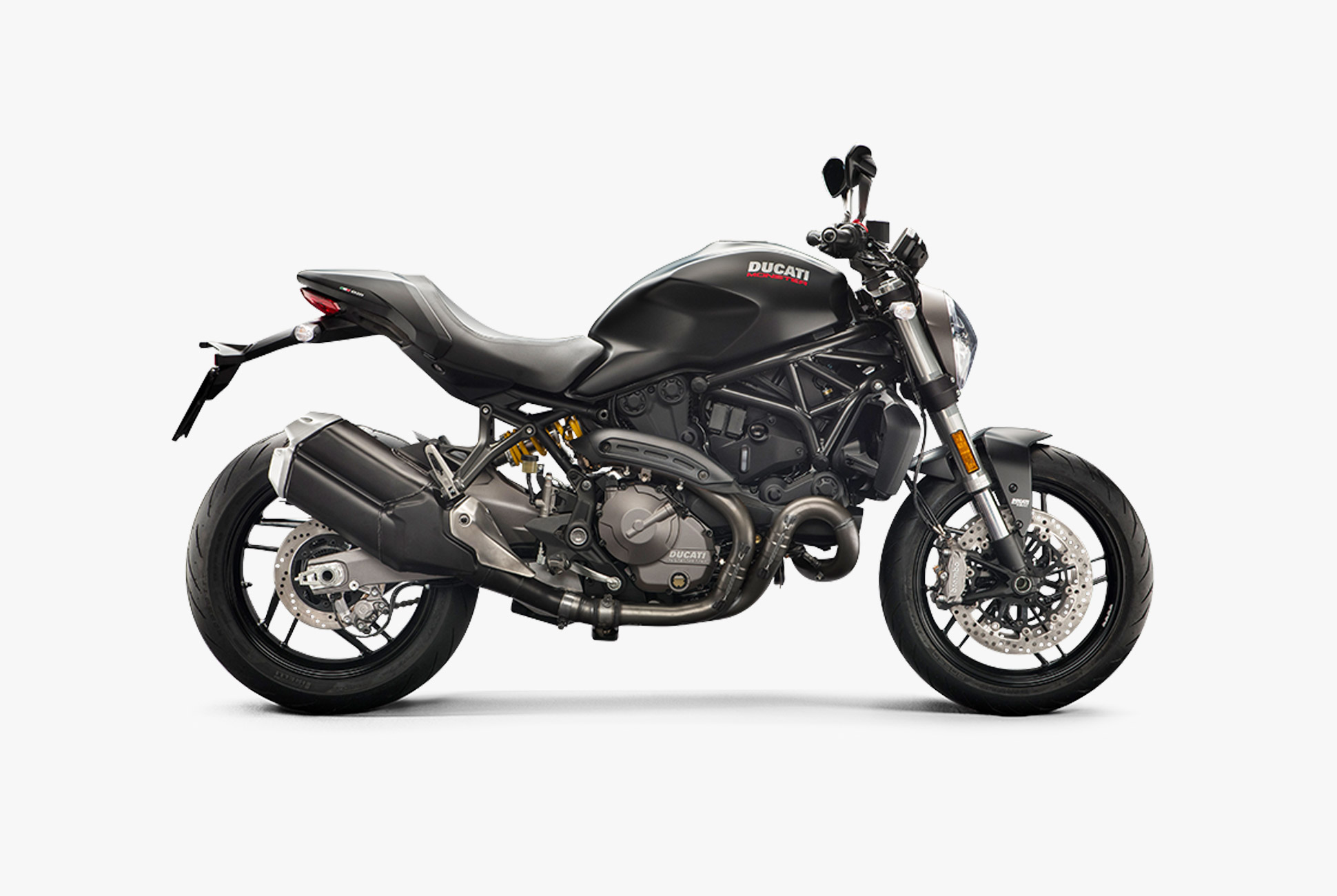
In the Ducati Monster lineup, the 821 risked falling into obscurity as the middle child. The 797 is prized as the approachable, entry-level Ducati since the Scrambler line spiraled off into its own sub-brand. The Monster 1200 might have a near identical design to the little 797, but if you look closer, it’s a tech-laden superbike with no fairings and serious power. Instead of being a slightly bigger version of the 797, the 821 borrows supersport-level tech from the 1200 and brings it down to an approachable level. It gets the best of all worlds — the controllable and lightweight nature of the 797, plus a little extra shove from the engine and the top-of-the-line tech and control systems from the 1200. And it costs just over $11,000.
Who It’s For: The commuter who doesn’t need the power of a bigger engine, but wants the tech that seemingly only the bigger, more expensive bikes get.
What’s Good: “For some, and understandably so, the 147-horsepower Monster 1200 may prove to be too much bike and the 797 too small and rudimentary. The 821 comes in as the Goldilocks option: it utilizes the same frame, brakes, tank and headlight, the beautiful if intricate, color TFT instrument display and traction control and ride mode system as the more expensive 1200 — but delivers it all in a much more manageable, affordable package. That seems to be the magic of the Monster. The Scrambler may be its own sub-brand, but the Monster has its own following under the larger Ducati umbrella. It offers the same styling with different levels of performance, attracting a wider array of riders. It succeeds with an architecture Ducati got right the first time and has simply fined tuned over the years in small, minute increments like Porsche has done with the 911.” – Bryan Campbell
What to Watch Out For: The term ‘all-new’ for 2018 has to be used loosely. “The engine in the new 821 is the same 821cc Testastretta L-Twin engine from the outgoing model but gets a host of modern hardware from the bigger, more technologically advanced 1200. Looking at the 797 and the 821 side-by-side, you might say they’re both entry-level models; if the 797 is the base model, with no options ticked, the 821 is the upgraded sport package. – Bryan Campbell
Value: There are very few other bikes at this price point with this much technology on board, though that much tech is becoming increasingly more common. Aside from the power deficit and the yellow paint job option, the 821 is incredibly similar to its big brother, the Monster 1200 — a bike that starts around $17,000.
Design: “Ducati’s Monster married a superbike engine to a Super Sport frame and created somewhat of a new genre with the “naked” sportbike — a modern cafe racer of sorts. It was an undeniable hit. It was different. It was beautiful. It could handle the canyon roads as well as a race bike could tackle the track and it came with three different engine options: the M600, M750, and M900. Until now, we’ve had the all-new Monster 1200 and 797; and now, the latest update: the middleweight 821. For 2018, in keeping with tradition, Ducati brought its iconic, entry-level roadster into the modern era with an incredibly minimalistic approach.” – Bryan Campbell
Verdict: “The 821 certainly isn’t a paradigm shift in the Monster universe, but what it gets right is bringing upper-echelon sportbike technology within the grasp of new riders — or riders not interested in spending nearly $18,000 for what should be standard on any modern sport bike.” – Bryan Campbell
What Others Are Saying:
“Stylish yet utilitarian, practical yet exciting, thoroughly modern but consciously linked to its glorious past, the 821, like Italy itself, blends opposing forces in a harmonious whole, forging its own identity in the process. The 821 isn’t just the Monster 1200’s little sibling. It’s a user-friendly package suitable for less experienced riders, but it’s also competent and engaging in ways that appeal to riders looking for a motorcycle distinguished, not by a single dominant sensation, but by the parity of its parts in pursuit of motorcycling bliss.” – Cycle World
“By far the biggest change, though, is to the electronics, and this comes in two parts. First, the old, letterbox-esque LCD dashboard has been consigned to the trash can in favor of a thoroughly modern color TFT display. Second, Ducati have thrown a full-on electronics package as standard at the 821 and that means full ride-by-wire with 8-level configurable traction control, three-level configurable ABS, and three engine maps.” – Ride Apart
“In the end, I think the new Monster would make a fantastic and stylish first Ducati for any rider with more than six months of riding experience under their belt. Ducati wasn’t B.S.-ing when it claimed the new 821 is the “Best Balanced Monster.” – Motorcycle.com
Engine: 821cc L-Twin
Horsepower: 109
Torque: 63 lb-ft
Price: $11,995
Best Value Commuter: 2017/18 Kawasaki Z650

In the middle-weight naked bike category, the bikes are so closely matched that any scrutiny has to be done under a microscope. Pricing is all evenly matched, though the Kawi is one of the more affordable options compared to its Japanese rivals (even on the ABS model at $7,399) and also edges out the competition on styling with lively pearl white plastics and an electric green trellis frame. Where the Z650 really shines is under power in the mid-range, right where you need it for passing traffic in day-to-day commuter traffic.
Who It’s For: The rider who wants to save a money rather than shell out for the absolute best in class but still wants to enjoy tight and twisty back roads on the way home from work.
What’s Good: “Team Green developed this bike as the bigger brother of their own monkey-bike, the Z125 Pro. That means power took a backseat to flickability during development. Which is why Kawi only breathed on their tried-and-tested 649cc parallel-twin engine, opting to smooth out delivery and provide grunt where it was needed most — in the mid-range.” — Matt Neundorf
What to Watch Out For: To be a better bike for a wider audience, Kawasaki set up the front forks more lightly sprung than usual. It makes the bike more user-friendly to novice riders but aggressive riders might overdo it and find the front end diving under hard braking.
Value: For a modern, naked sports bike to have this level performance and a $6,999 price tag hanging off the bars, it’s a bargain.
Verdict: “You feel this as soon as you settle into the saddle. During stop-and-go stints in downtown Santa Monica, there were no struggles to stand flat-foot at lights, and the bike never felt like it could get away from me. The revised chassis geometry and slim, straight bars make 90-degree, grid-street negotiations a breeze, meaning this thing will do well for urban commuters too.” — Matt Neundorf
What Others Are Saying:
“In all, the Z650 satisfies nearly all of the prerequisites for an affordable, mid-level, sport-inspired machine. In terms of performance, nearly all of the systems found on the Z650 have massive amounts of potential to take a rider with little to no experience, and allow for a great deal of maturation to take place; a rider can develop their skills for a good while, before stepping to the next rung on the proverbial ladder.” – Ultimate Motorcycling
“As it stands, the bike is a great addition to the Z family, and proof of what Kawasaki has learned from years spent with the Z1000 and Z800 (both of which will be replaced by the Z900 for 2017). And it’s a great option for those naked bike lovers who’ve been waiting for a mid-displacement twin with Team Green badges on its side.” – Cycle World
Engine: 649cc parallel twin
Horsepower: 63
Torque: 42 lb-ft
Price: $6,999
Introduction
Navigating any concrete jungle can be hell — especially if you call the asphalt wilds your commute. Driving into the city is certified insanity and public transportation isn’t always the most reliable (which is the understatement of the year for any New Yorker). That only leaves one serious option: a motorcycle. In the city, agility trumps power and bulk is the enemy of timeliness. To get to work on time what you need is a slender, nimble bike that looks good and handles well — here are five of the best motorcycles for any city-dweller.
Terms to Know
Sport Standard: A style of motorcycle with an up-right riding position, with handle bars close enough to the rider not to neccesitate and agressive lean or reach.
Naked style: A motorcycle lacking plastic fairings, exposing the engine and transmission.
Twisties: When a road has many, tight and winding turns.
Lane splitting: Riding your motorcycle between the lanes or rows of slow moving cars or stopped traffic. California is the only state in the U.S. to officially legalize lane splitting.
Flickability: The ease at which a bike can be quickly change direction, leaning from one side to the other.
What Makes a Great City Motorcycle?
Surviving city traffic — mad cabbies, delivery trucks and frantic commuters — on a motorcycle requires patience, quick reflexes and steel nerves from a rider and it’s crucial the motorcycle itself can keep up. A compact, slender bike is a good place to start. Dodging potholes and traffic and going for narrow or closing gaps between cars is the norm when you’re cruising down a crowded avenue or side street. To be able to get any of that done with ease a good city motorcycle utilized that smaller silhouette by being lightweight and flickakble. Of course, bigger bikes are at a disadvantage there but if they can hide their weight with a nice and low center of gravity, heavier bikes can ride like they’re half the size.
Power is important but only if it’s in a usable spot in the rev range. There’s no use having chart-topping power and torque if you have to be flirt with the redline to see any of it. Motorcycles that work best on city streets have a healthy low- and mid-range — basically where the engine speed lives when you’re coming off light or traveling at traffic speeds.
When you are dipping and diving, weaving your way through town, your attention has to be at an all-time high. And not surprisingly, if you’re not physically comfortable on your bike, you’re going to be distracted. That’s not just the ergonomics of the seating position either. Although it is incredibly important that you’re not stuffing yourself onto the bike and cramping up your needs, riding comfort also stems from a great suspension setup. A super stiff suspension setup, where you can feel every rut, rock and crack can not only be bone shatteringly uncomfortable but can lead to a nervous, twitchy and unsettled bike.
It’s a tall order to build a bike that’s versatile enough to handle city streets and still have the capabilities to hop on the highway to get out of town. But when manufacturers get the formula right, a city-bound motorcycle can be an incredible asset in fighting back the daily grind.
Buying Guide
What’s in This Buying Guide
5 Best Urban Motorcycles of 2018
Best All-Around Commuter: 2018 Ducati Monster 821
In the Ducati Monster lineup, the 821 risked falling into obscurity as the middle child. The 797 is prized as the approachable, entry-level Ducati since the Scrambler line spiraled off into its own sub-brand. The Monster 1200 might have a near identical design to the little 797, but if you look closer, it’s a tech-laden superbike with no fairings and serious power. Instead of being a slightly bigger version of the 797, the 821 borrows supersport-level tech from the 1200 and brings it down to an approachable level. It gets the best of all worlds — the controllable and lightweight nature of the 797, plus a little extra shove from the engine and the top-of-the-line tech and control systems from the 1200. And it costs just over $11,000.
Who It’s For: The commuter who doesn’t need the power of a bigger engine, but wants the tech that seemingly only the bigger, more expensive bikes get.
What’s Good: “For some, and understandably so, the 147-horsepower Monster 1200 may prove to be too much bike and the 797 too small and rudimentary. The 821 comes in as the Goldilocks option: it utilizes the same frame, brakes, tank and headlight, the beautiful if intricate, color TFT instrument display and traction control and ride mode system as the more expensive 1200 — but delivers it all in a much more manageable, affordable package. That seems to be the magic of the Monster. The Scrambler may be its own sub-brand, but the Monster has its own following under the larger Ducati umbrella. It offers the same styling with different levels of performance, attracting a wider array of riders. It succeeds with an architecture Ducati got right the first time and has simply fined tuned over the years in small, minute increments like Porsche has done with the 911.” – Bryan Campbell
What to Watch Out For: The term ‘all-new’ for 2018 has to be used loosely. “The engine in the new 821 is the same 821cc Testastretta L-Twin engine from the outgoing model but gets a host of modern hardware from the bigger, more technologically advanced 1200. Looking at the 797 and the 821 side-by-side, you might say they’re both entry-level models; if the 797 is the base model, with no options ticked, the 821 is the upgraded sport package. – Bryan Campbell
Value: There are very few other bikes at this price point with this much technology on board, though that much tech is becoming increasingly more common. Aside from the power deficit and the yellow paint job option, the 821 is incredibly similar to its big brother, the Monster 1200 — a bike that starts around $17,000.
Design: “Ducati’s Monster married a superbike engine to a Super Sport frame and created somewhat of a new genre with the “naked” sportbike — a modern cafe racer of sorts. It was an undeniable hit. It was different. It was beautiful. It could handle the canyon roads as well as a race bike could tackle the track and it came with three different engine options: the M600, M750, and M900. Until now, we’ve had the all-new Monster 1200 and 797; and now, the latest update: the middleweight 821. For 2018, in keeping with tradition, Ducati brought its iconic, entry-level roadster into the modern era with an incredibly minimalistic approach.” – Bryan Campbell
Verdict: “The 821 certainly isn’t a paradigm shift in the Monster universe, but what it gets right is bringing upper-echelon sportbike technology within the grasp of new riders — or riders not interested in spending nearly $18,000 for what should be standard on any modern sport bike.” – Bryan Campbell
What Others Are Saying:
“Stylish yet utilitarian, practical yet exciting, thoroughly modern but consciously linked to its glorious past, the 821, like Italy itself, blends opposing forces in a harmonious whole, forging its own identity in the process. The 821 isn’t just the Monster 1200’s little sibling. It’s a user-friendly package suitable for less experienced riders, but it’s also competent and engaging in ways that appeal to riders looking for a motorcycle distinguished, not by a single dominant sensation, but by the parity of its parts in pursuit of motorcycling bliss.” – Cycle World
“By far the biggest change, though, is to the electronics, and this comes in two parts. First, the old, letterbox-esque LCD dashboard has been consigned to the trash can in favor of a thoroughly modern color TFT display. Second, Ducati have thrown a full-on electronics package as standard at the 821 and that means full ride-by-wire with 8-level configurable traction control, three-level configurable ABS, and three engine maps.” – Ride Apart
“In the end, I think the new Monster would make a fantastic and stylish first Ducati for any rider with more than six months of riding experience under their belt. Ducati wasn’t B.S.-ing when it claimed the new 821 is the “Best Balanced Monster.” – Motorcycle.com
Engine: 821cc L-Twin
Horsepower: 109
Torque: 63 lb-ft
Price: $11,995
Best Value Commuter: 2017/18 Kawasaki Z650
In the middle-weight naked bike category, the bikes are so closely matched that any scrutiny has to be done under a microscope. Pricing is all evenly matched, though the Kawi is one of the more affordable options compared to its Japanese rivals (even on the ABS model at $7,399) and also edges out the competition on styling with lively pearl white plastics and an electric green trellis frame. Where the Z650 really shines is under power in the mid-range, right where you need it for passing traffic in day-to-day commuter traffic.
Who It’s For: The rider who wants to save a money rather than shell out for the absolute best in class but still wants to enjoy tight and twisty back roads on the way home from work.
What’s Good: “Team Green developed this bike as the bigger brother of their own monkey-bike, the Z125 Pro. That means power took a backseat to flickability during development. Which is why Kawi only breathed on their tried-and-tested 649cc parallel-twin engine, opting to smooth out delivery and provide grunt where it was needed most — in the mid-range.” — Matt Neundorf
What to Watch Out For: To be a better bike for a wider audience, Kawasaki set up the front forks more lightly sprung than usual. It makes the bike more user-friendly to novice riders but aggressive riders might overdo it and find the front end diving under hard braking.
Value: For a modern, naked sports bike to have this level performance and a $6,999 price tag hanging off the bars, it’s a bargain.
Verdict: “You feel this as soon as you settle into the saddle. During stop-and-go stints in downtown Santa Monica, there were no struggles to stand flat-foot at lights, and the bike never felt like it could get away from me. The revised chassis geometry and slim, straight bars make 90-degree, grid-street negotiations a breeze, meaning this thing will do well for urban commuters too.” — Matt Neundorf
What Others Are Saying:
“In all, the Z650 satisfies nearly all of the prerequisites for an affordable, mid-level, sport-inspired machine. In terms of performance, nearly all of the systems found on the Z650 have massive amounts of potential to take a rider with little to no experience, and allow for a great deal of maturation to take place; a rider can develop their skills for a good while, before stepping to the next rung on the proverbial ladder.” – Ultimate Motorcycling
“As it stands, the bike is a great addition to the Z family, and proof of what Kawasaki has learned from years spent with the Z1000 and Z800 (both of which will be replaced by the Z900 for 2017). And it’s a great option for those naked bike lovers who’ve been waiting for a mid-displacement twin with Team Green badges on its side.” – Cycle World
Engine: 649cc parallel twin
Horsepower: 63
Torque: 42 lb-ft
Price: $6,999
Best Big Engine Bike: 2018 Ducati Multistrada

As far as styling and sound go, the Multistrada can be polarizing. What’s not up for debate, though, is how well the big adventure sport bike rides and tackles turns. The secret is the phenomenal Skyhook semi-active suspension and the clever way Ducati engineers hid the bulk of the Multistrada’s 518 pounds. It has the looks of an adventure bike, but when you start to flick the ‘Strada back and forth, navigating traffic and city streets, it’s easy to forget it can handle a mountain pass or two as well.
Who It’s For: The long distance commuter.
What’s Good: “The high-visibility LED graphic display makes swapping riding modes and adjusting suspension settings a simple task, displaying them in simple, visual terms. With a dry weight of 467 pounds, the Multistrada 1260 feels light and agile, albeit a bit tall (seat height is adjustable from 32.5-33.3 in), which makes maneuvering the bike in and out of parking spaces somewhat difficult if you’re a shorter rider.” — Justin Coffey
What to Watch Out For: “Don’t expect to take the new 1260 off-road, as its 17-inch cast Marchesini wheels are more adept at eating up the asphalt than dirt.” — Justin Coffey
Value: The sports-adventure bike category is a tough one to navigate — nearly every manufacturer offers one at this point and they’re all similarly priced. The Ducati, though, has style to go with its tech and performance.
Design: The Multistrada 1260 feels much like the outgoing 1200cc model. Riding position stays the same – upright, comfortable, with wide handlebars and ample wind protection thanks to the on-the-fly adjustable windscreen. With the longer wheelbase, the new 1260 is more confident in corners, more noticeably so in the faster, sweeping curves on the island of Gran Canaria. — Justin Coffee
Verdict: “Ducati’s Multistrada was designed to offer the owner a variety of options. From taking the long way home to riding the length of South America, the Multistrada is capable of many tasks, although it excels at making twisty (paved) roads disappear into the distance. Locking luggage comes standard (optional aluminum panniers are available from Touratech), as do heated grips, keyless ignition, a tire pressure monitoring system and a quick-shift function (clutch-less up- and downshifts, available on the S and Pikes Peak models). With its upright riding position and multiple ride modes, the new 1260 can transform from a docile urban commuter to an aggressive sport-touring machine with the push of a few buttons.” — Justin Coffey
What Others Are Saying:
“So much of what has made the Multistrada a popular machine since 2010 is captured wholly in the new 1260. The engine is the biggest improvement. Ducati claims six additional ponies over the 1200, but it doesn’t really feel faster. The longer wheelbase makes it less prone to wheelie, I’m sure—mostly it’s how linear the power delivery is that made me smile. It’s happy to lug around town, and has a fat midrange that won’t disappoint.” – Cycle World
“The handling of the Multistrada 1260 is superb for a motorcycle of its size. At a claimed 511 lbs wet and with a 62.4-inch wheelbase, I was pleasantly impressed with how precise and light the front end felt and how quickly the entire motorcycle could be flicked from side to side.” – Motorcycle.com
Engine: 1262 90-degree L-twin
Horsepower: 158
Torque: 95.5 lb-ft
Price: $18,695+
Most Stylish: 2018 BMW R NineT Urban G/S

The heritage line at BMW is a tad confusing. The R NineT that launched the line, though it’s a pretty bike, at $15,000 seems rather tame. It does have the technology and power to warrant a price tag around that limit, but the Urban G/S not only looks miles better, it’s more affordable as well. Granted, though it’s more pared down, tech-wise, it still handles just as well as the R Nine T its based on. A Dakar racer it is not, but while weaving through traffic downtown few things look cooler.
Who It’s For: The rider who wants iconic style and design cues blended into a modern BMW.
What’s Good: “Calling it a new model is a touch misleading, though, because it’s essentially just a restyled R nineT Scrambler — except better looking. A high front fender, nose fairing and the iconic combination of red seat and blue tank graphics over a white paint job bring out the best in the R NineT’s styling. The exhaust differs from the Scrambler’s as well, but the rest of the running gear — like the compact analog-digital combo speedo — is identical. It even comes standard with the Scrambler’s alloy wheels, but the optional spoked wheels (pictured) are the ones you want. As a styling exercise, there’s no doubt the Urban G/S is a home run.” – Wesley Reyneke
What to Watch Out For: Where the original G/S that this bike takes most of its inspiration from was known for dominating Dakar, the Urban G/S is not as off-road savvy. It has a few design touches here and there that would help it do better on a dirt than the R NineT it’s based on, but for the most part, it’s just that: design touches.
Value: It might be a slightly paired down version of the more expensive R NineT, but there’s no doubting it looks better. Saving around $3,000 doesn’t hurt either.
Design: “The Urban G/S’s upright ergonomics make it all-day comfortable, but you’ll eventually pine for a cushier saddle, if you do find yourself in the saddle. Its 485-pound form factor won’t give you supermoto-like levels of handling, but the low center of gravity makes it relatively easy to muscle through turns. It’s a deceptively compact motorcycle.” – Wesley Reyneke
Verdict: “The Urban G/S does have incredible potential to be customized beautifully, to be made unique, to be made your own. If customization isn’t your thing, that shouldn’t turn you away. Out of the box, the Urban G/S is a great-looking and well-performing motorcycle. Even if you won’t actually race across the desert with it, it’ll make you feel like you can.” – Wesley Reyneke
What Others Are Saying:
“The heritage the Urban G/S pays tribute to is reminiscent of the old R80 G/S, a motorcycle that basically invented the adventure-touring category. In its time, dirt bikes were lightweight, single-cylinder machines. The original G/S was a street bike fitted for off-pavement duty, a motorcycle made for exploring. The modern version, the Urban G/S, really is no different..” – Revzilla
“The thing is, while none of the other models have really struck my fancy, I really like the R NineT Urban G/S. BMW seemed more willing to admit the Urban G/S is not an adventure bike but a daily bike for people who loved that first adventure bike and who are moved by the styling..” – Cycle World
Engine: air- and oil-cooled 1,170cc flat-twin
Horsepower: 110
Torque: 85 lb-ft
Price: $12,995
Best All-Electric Option: 2018 Zero DS ZF13.0 +POWER TANK

There’s an argument to be made that motorcyclists have a better understanding of torque than most. Sitting so close to the fulcrum point at the wheel, with any amount of twist from the engine you can easily feel the forces at work. Now consider that one of the defining characteristics of electric vehicles is their maximum torque is available from zero RPM — full power can be instantaneous and available throughout the rev range. When you need to make a last minute pass or get ahead of traffic off the line, an electric motorcycle can spoil a rider. The Zero DS ZF13.0 +POWER TANK is admittedly on the expensive side for the bike that it looks like, however, having 188 miles per charge is a mileage stat not many other bikes can boast. Efficiency is the Zero DS ZF13.0 +POWER TANK, but the way it sends power to the rear wheel is addictive and a great way to spice up any commute.
Who It’s For: The eco-concsious commuter who has a taste for neo-futurism and appreciates that quality power doesn’t mean paying through the teeth at the pump.
What’s Good: Even without the Power Tank option added, the DS gets better city mileage than almost any other bike in its price bracket or power class. Spring for the Power Pack and the DS ZF13.0 increases its range from 147 miles to 188 miles. In other words, more than enough to stifle any lingering range anxiety.
What to Watch Out For: You’re paying for the battery performance, technology and capabilities. Where the Zero falls short is the overall refinement. The plastics seem to be on the cheaper side of the spectrum. But if you can look past that, the DS’s 188-mile range makes it an incredible commuter.
Value: As mentioned, the plastics and overall refinement of the Zero DS falls a tad short, but the better range and money saved at the pump is really why you’re buying this. It’s no electric-assist pedal bike either. Aside from the lack of exhaust note, this is a genuine motorcycle and should be looked at as such. Not many other motorcycles at this price point can claim the same endurance.
Design: The DS design lands somewhere in the gray area between the dirt world and sports standard city bike. That’s not necessarily a bad thing — giving off the peppy character of a scrambler or dual sport while retaining the practicality and comfort of a city bike helps the DS stand out. Oddly, its the complete lack of noise as you ride by that catches the attention of most.
Verdict: There’s a lot to go back and forth on with electric bikes — the lack of sound, the range anxiety, the lack of gears or on some, the pointless gears. But the DS can handle corners well enough (despite being 457-lbs) and will go further than anything else you have in your garage on two wheels. Not to mention it’s one fewer reason to vist the gas station and give them money.
What Others Are Saying:
“Basically, with some cute bodywork and clubman bars, this bike would be the perfect scrambler. Like all Zero motorcycles, it’s best as your daily commuter, but if you really need to do those 100-mile Sundays in the canyons, or just have a long distance commute, there’s always the power tank, which gives it an additional 25 miles at Highway/City combined. That 25 miles of range comes at a price of $2,695 and 44 lbs of added weight.” – Clean Technica
“Zero DS is pleasurable in virtually any riding environment. It’s not your run of the mill electric bicycle “wannabe” motorcycle, but the real deal. If there were a negative issue, it would be that it’s so quiet that other motorists are often unaware of your presence, requiring extra vigilance on your part..” – The Fast Lane Car
Power: Lithium-ion Cell Zero Force Battery
Horsepower: 60
Torque: 81 lb-ft
Price: $16,890
The Best SUVs Under $50,000

Choosing one among the endless many is no easy task. Moreover, since the average price for an SUV 2017 was just under $40,000, it’s a decision that shouldn’t be taken lightly. To cover all the bases, we bumped the budget up to $50,000 and chose the best new SUVs you can buy in 2018. Read the Story

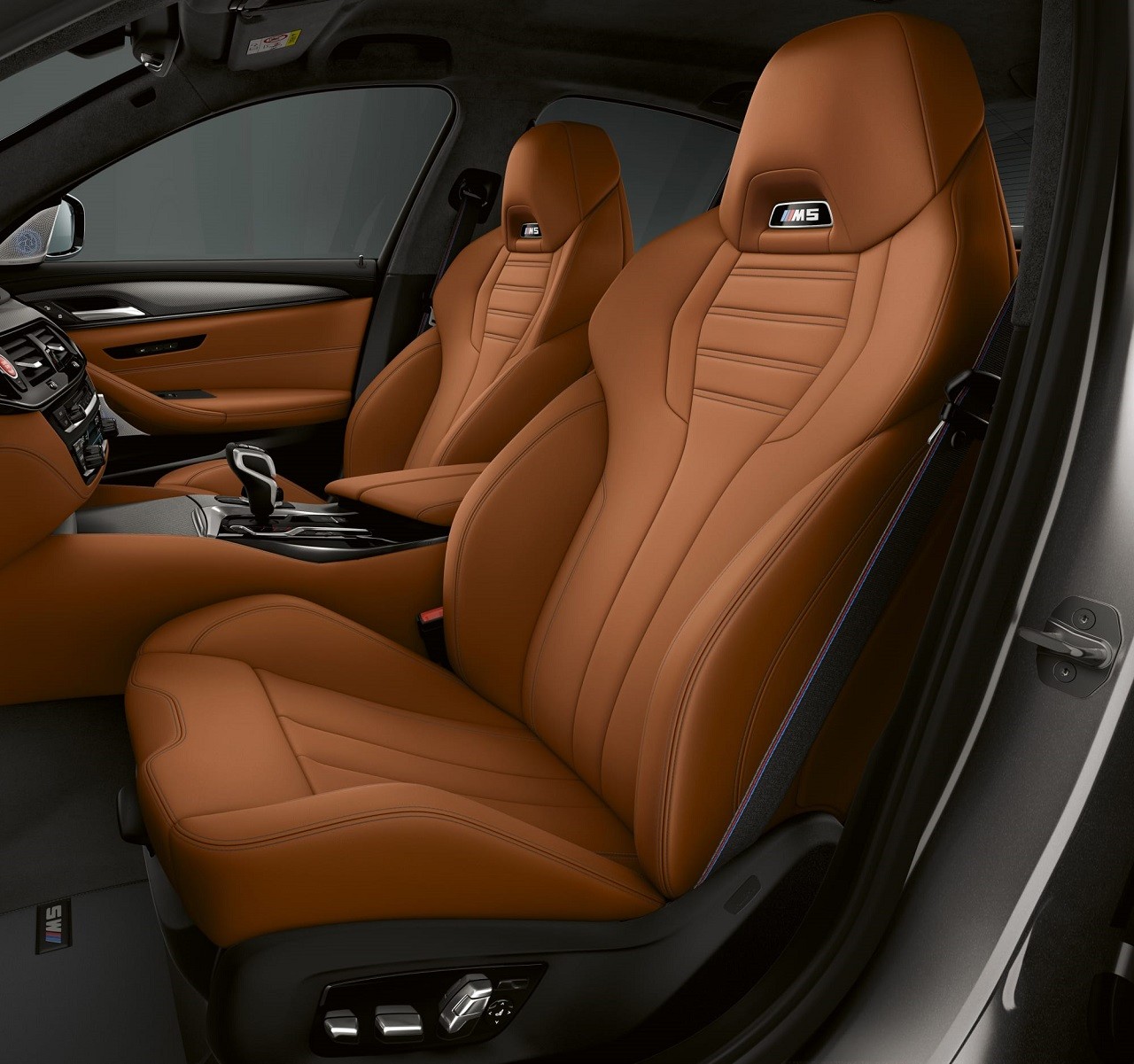


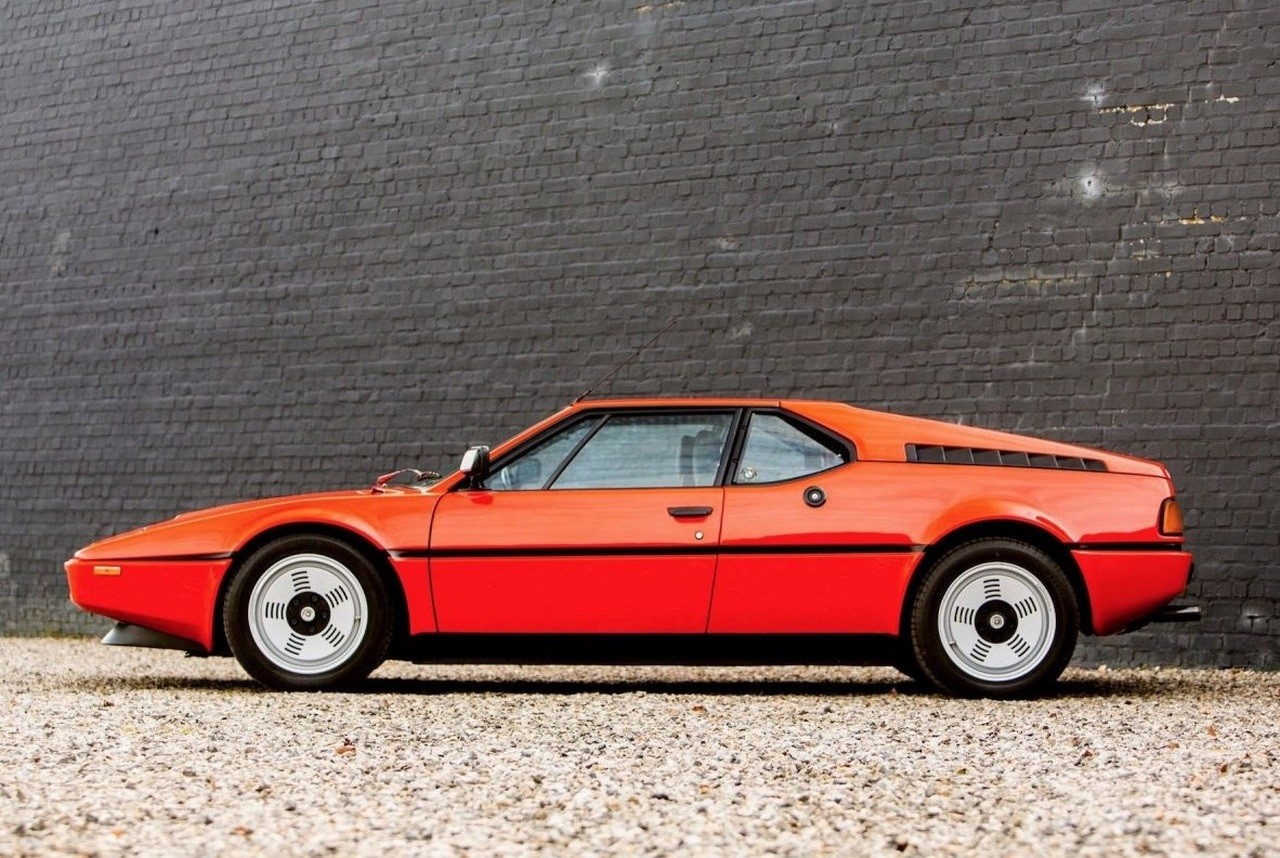
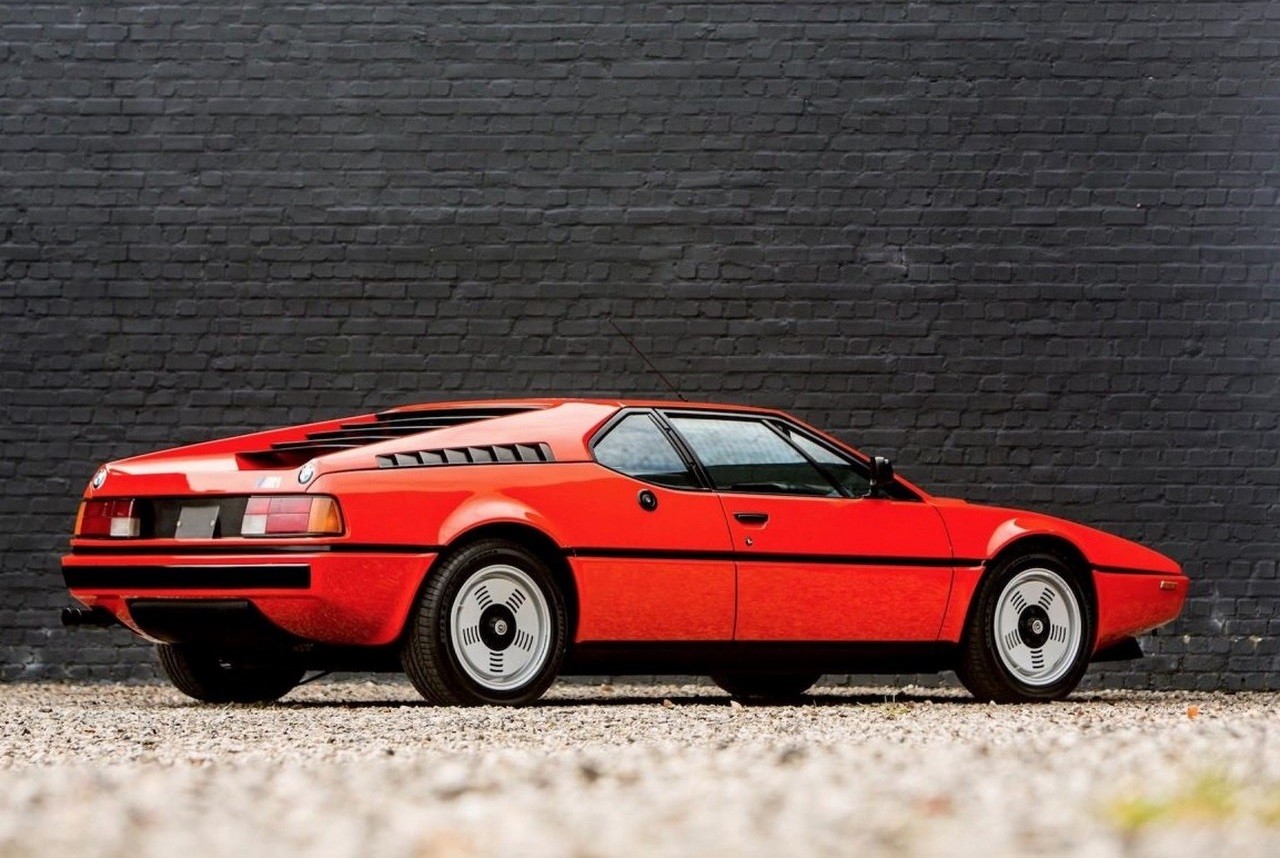
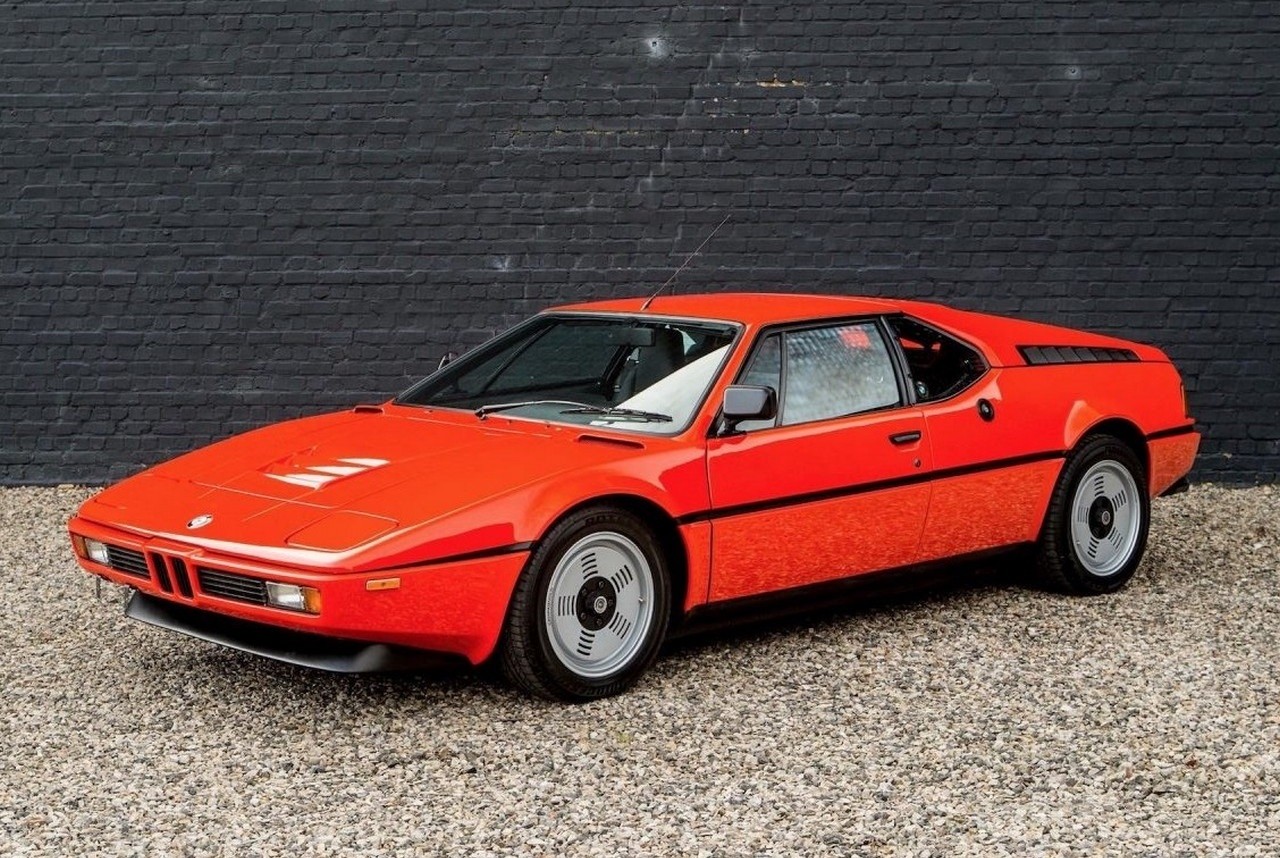
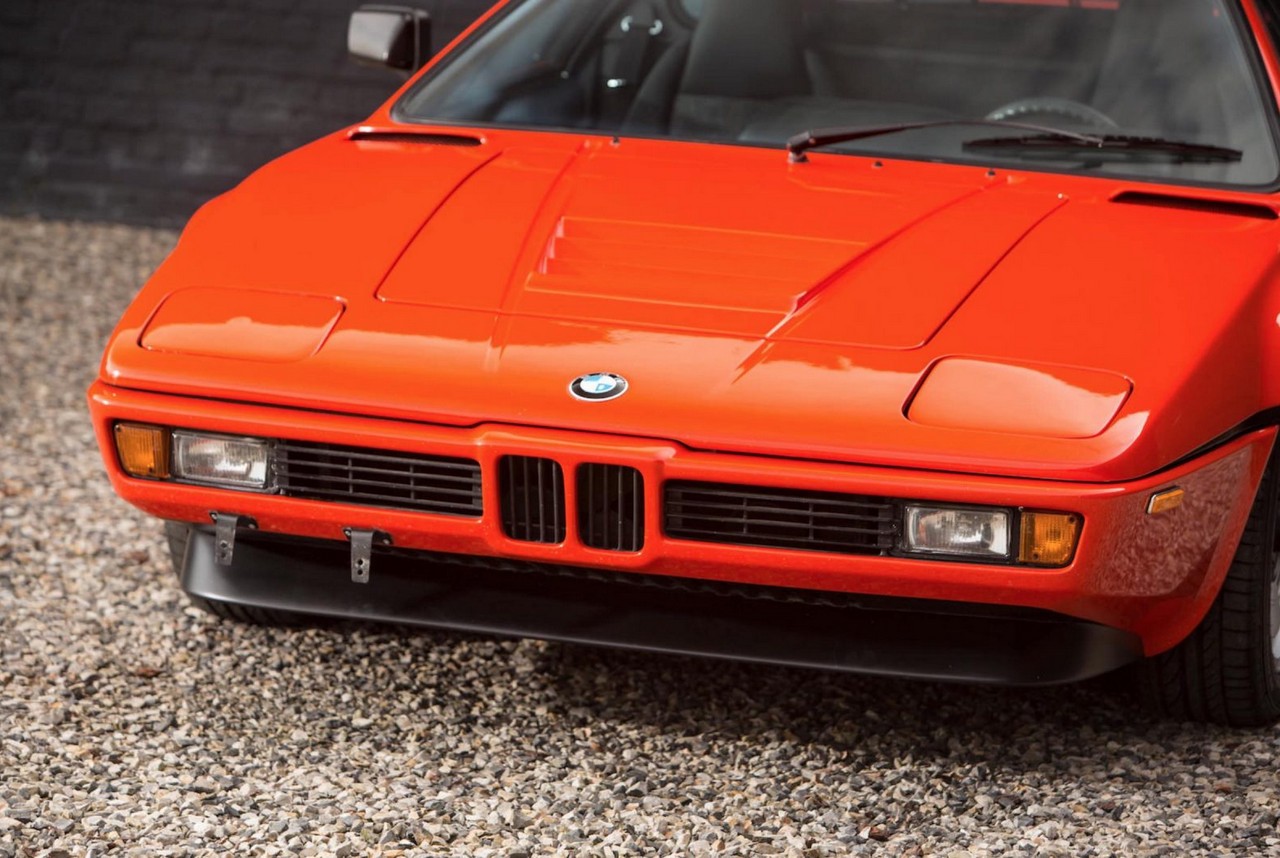
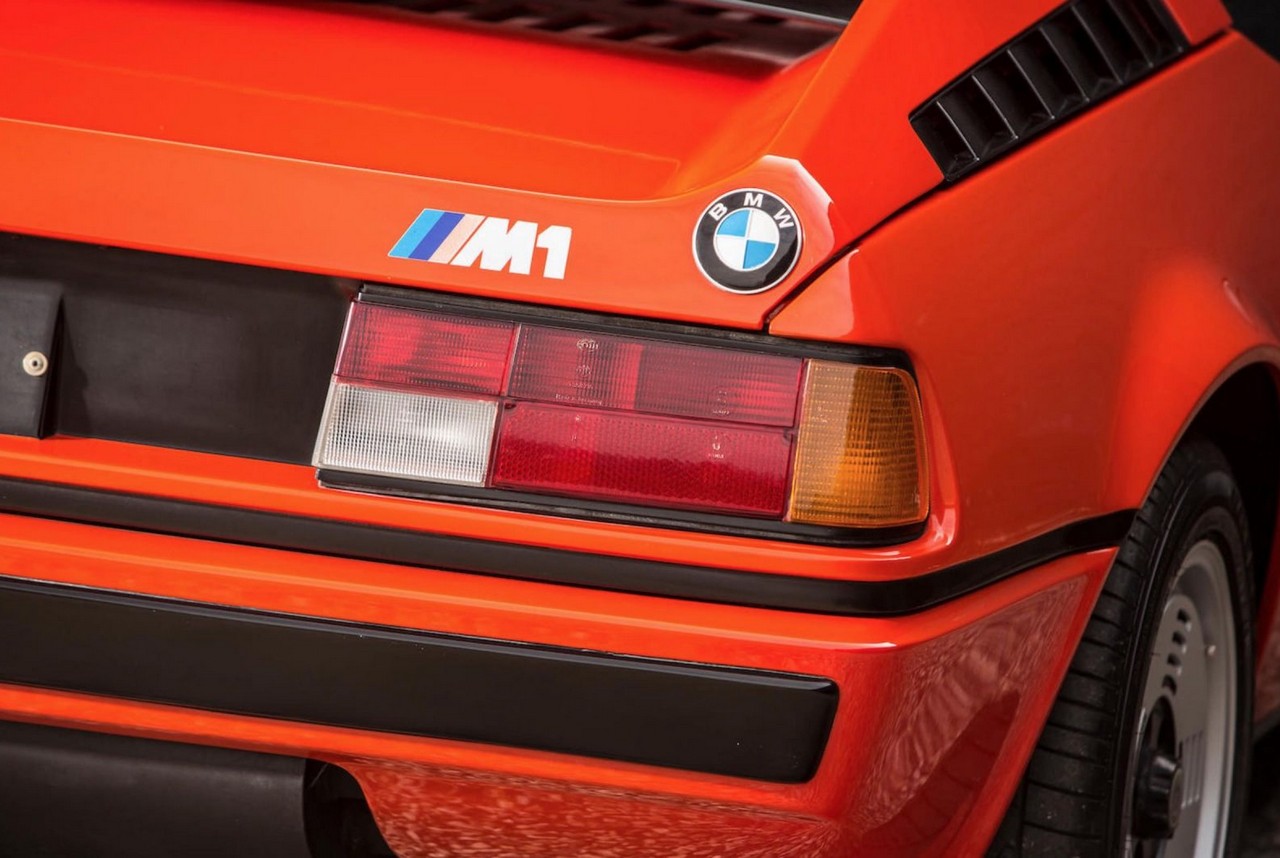
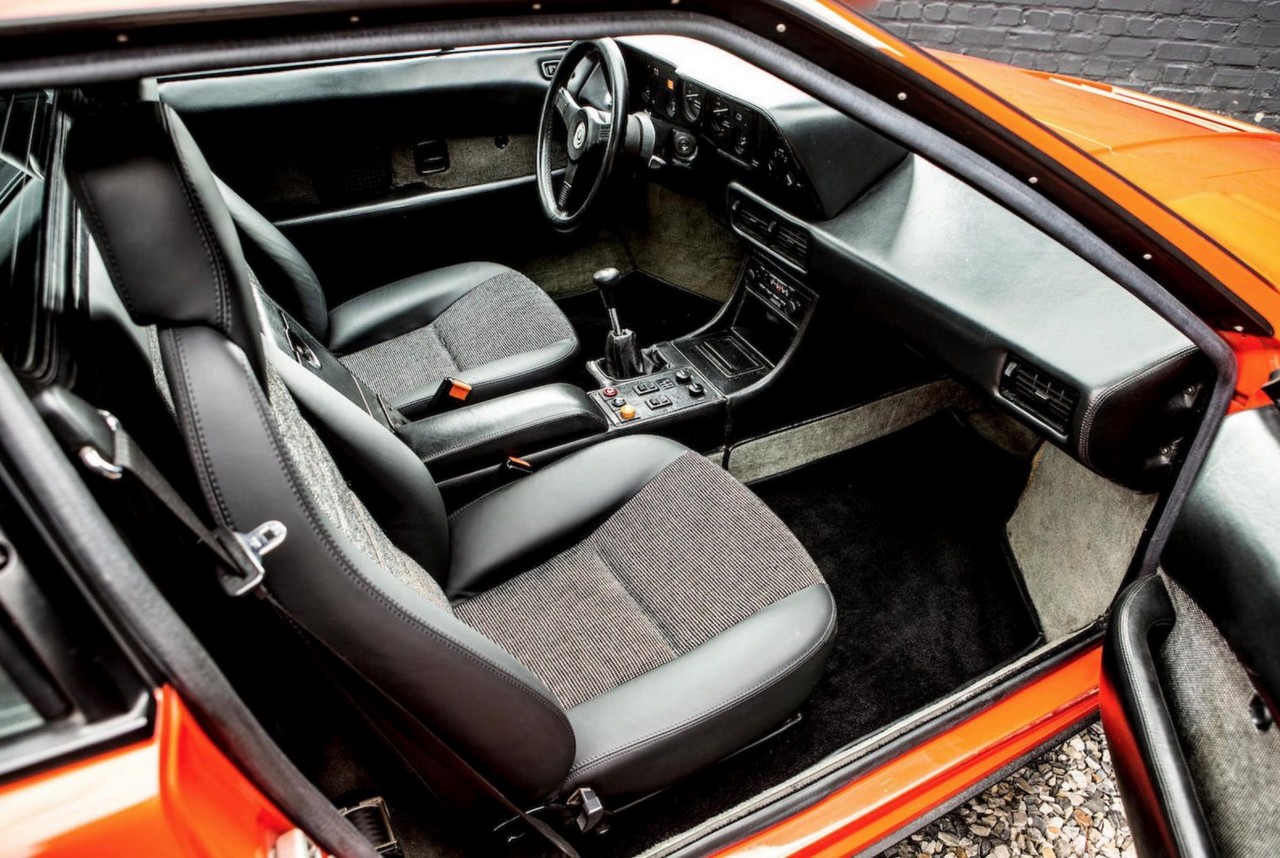
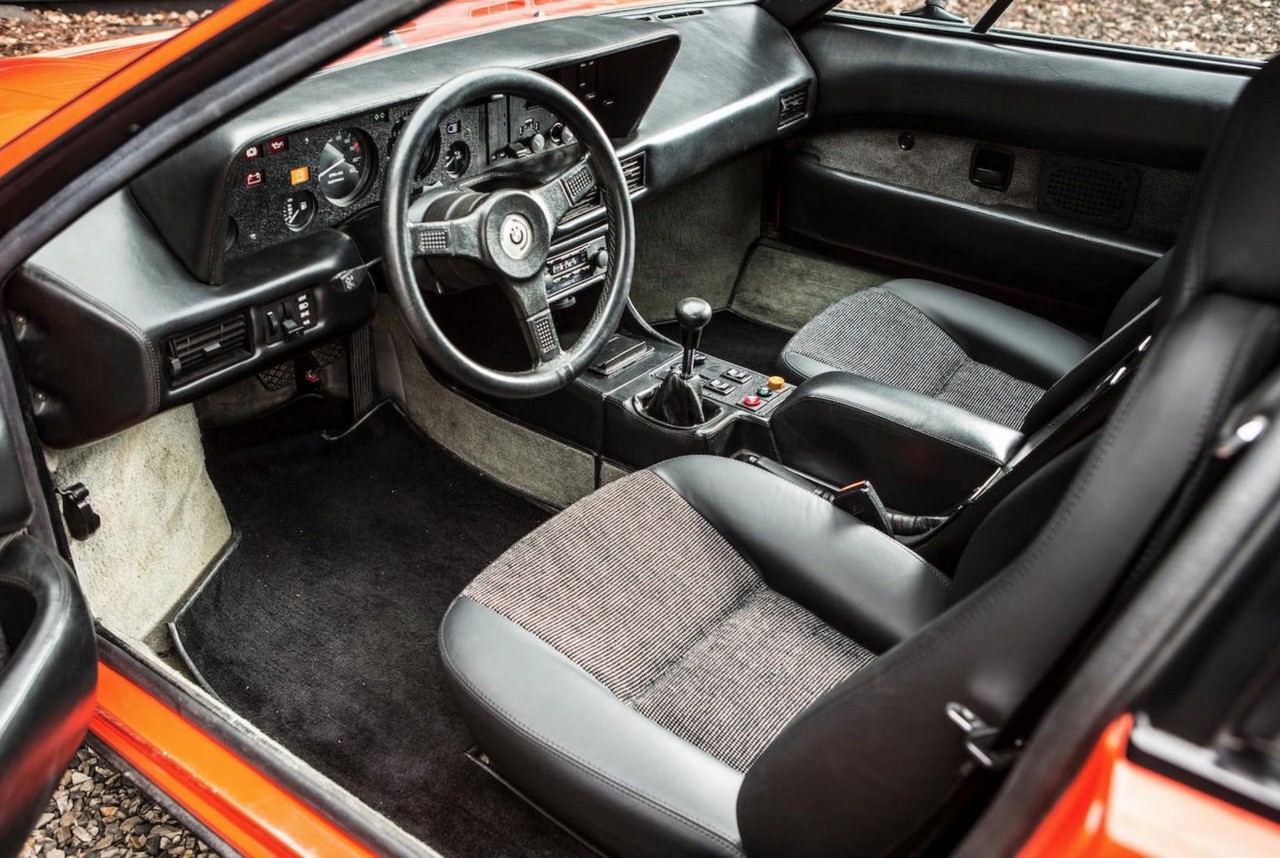
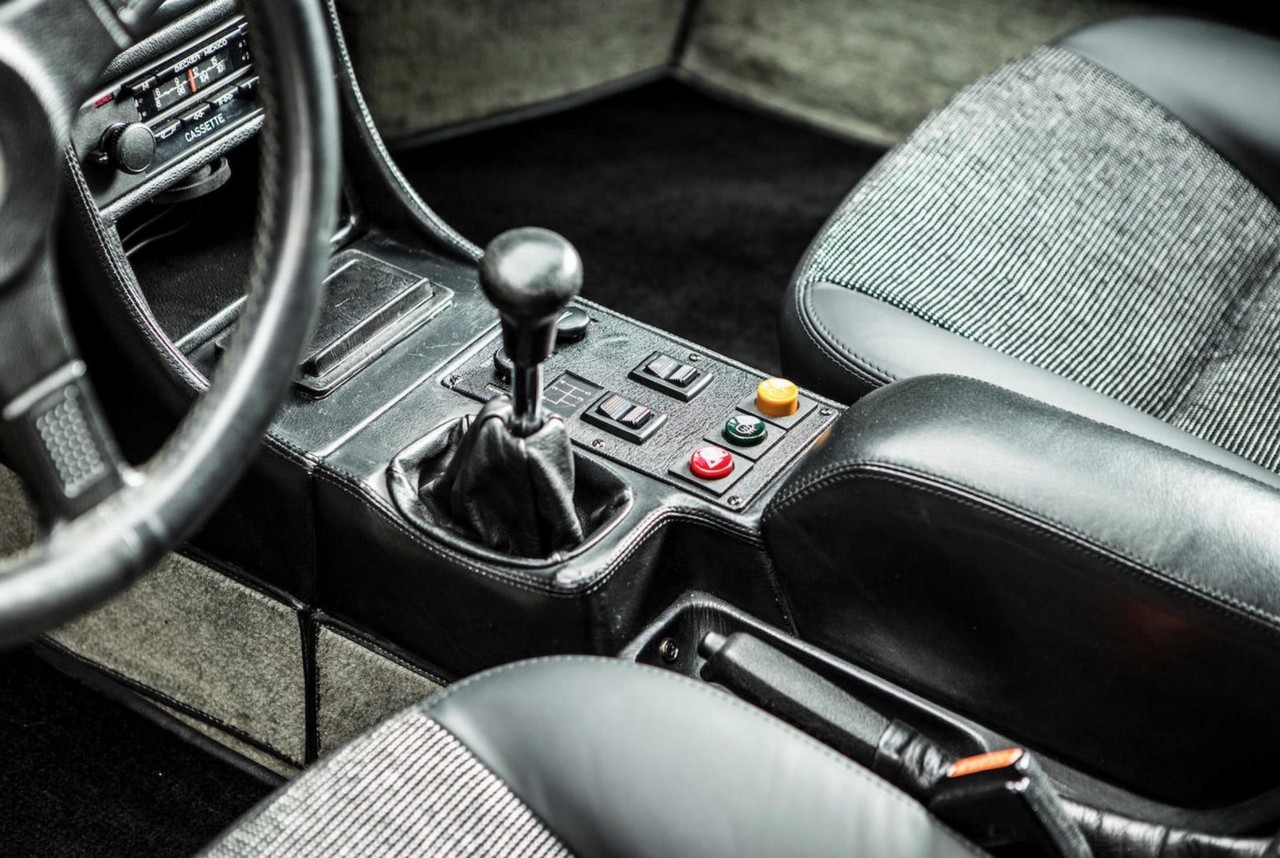
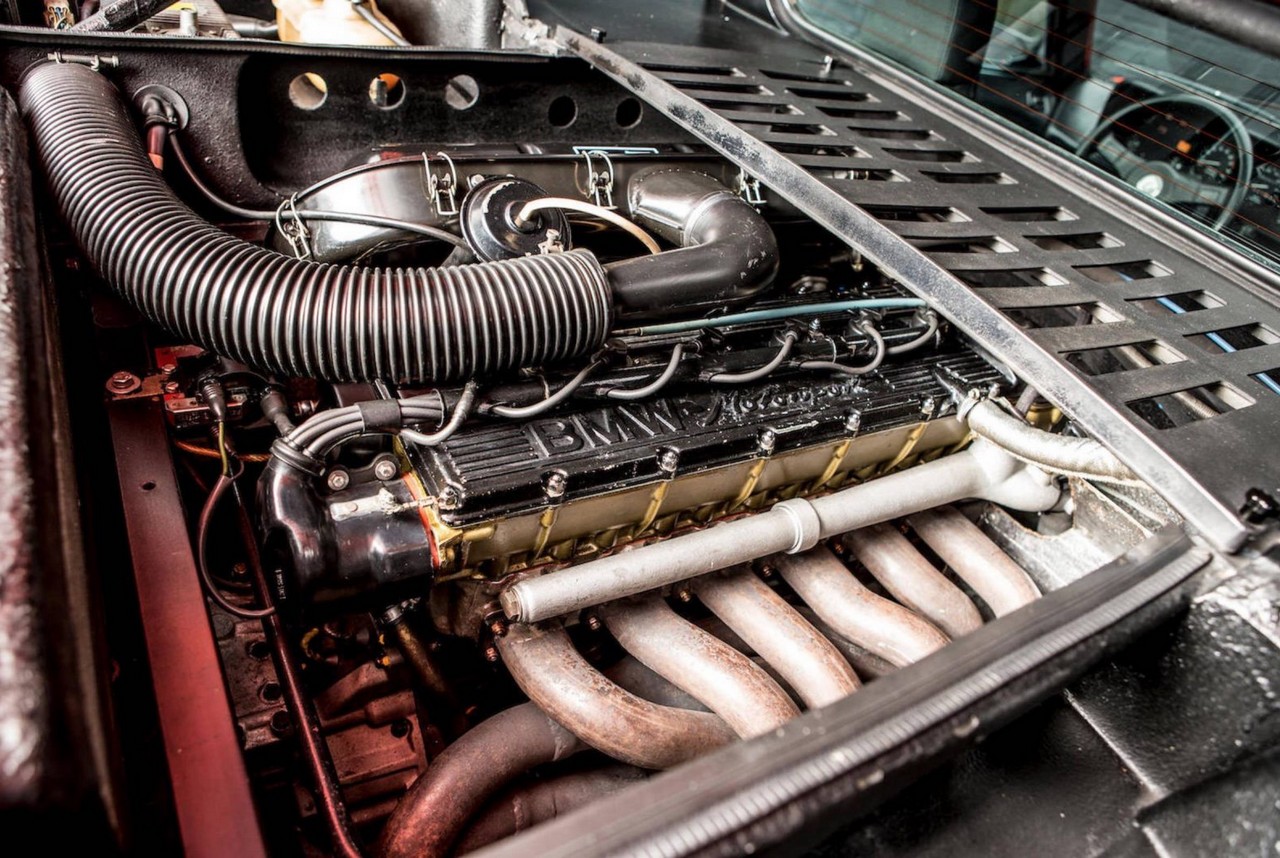 Photos courtesy of Bonhams


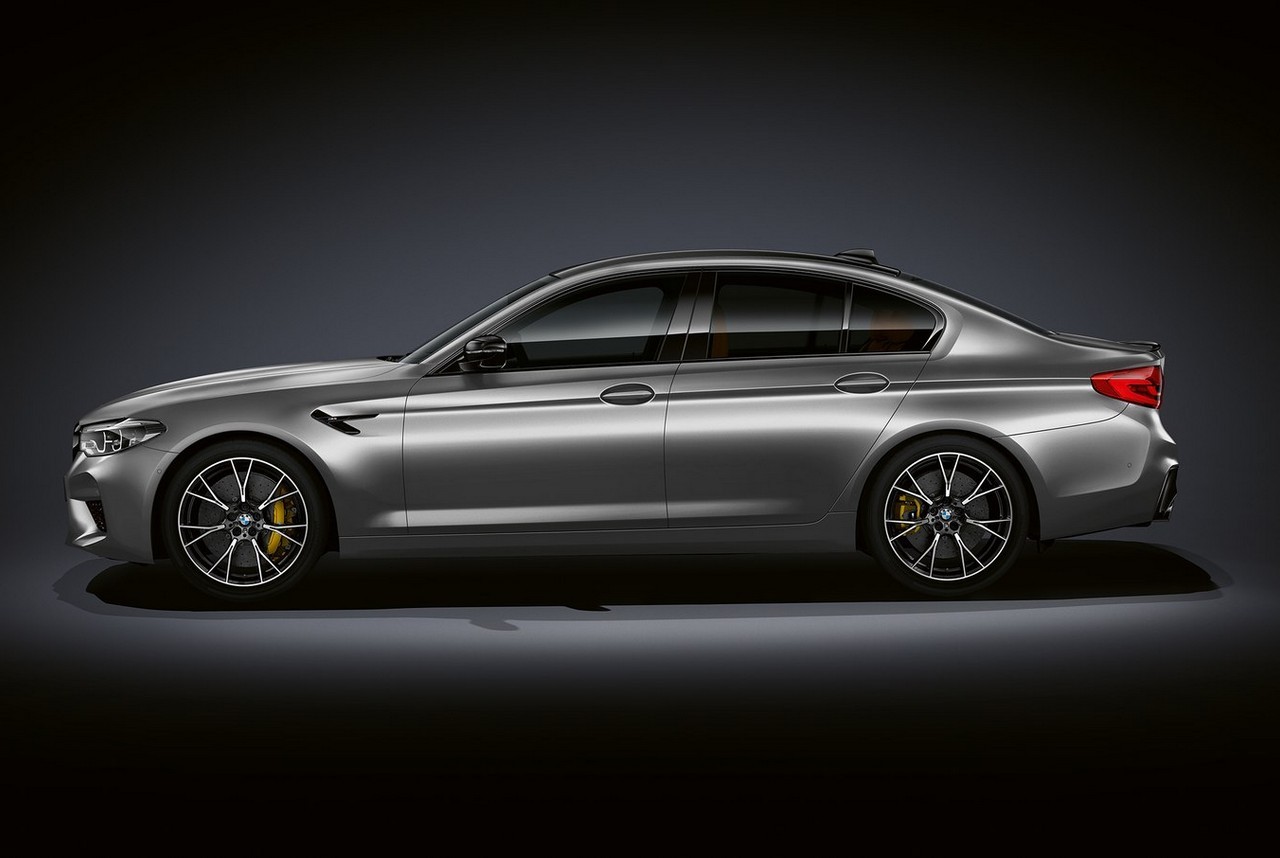
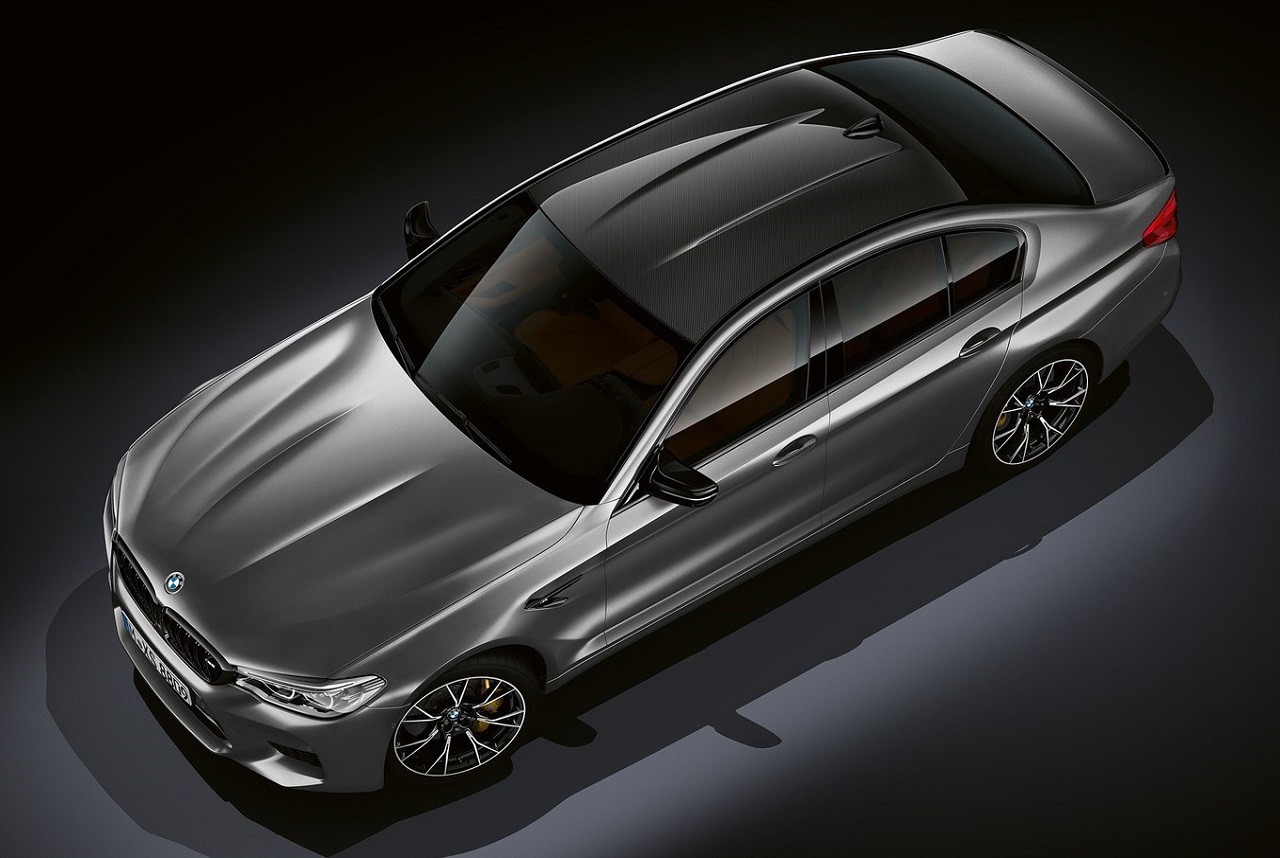
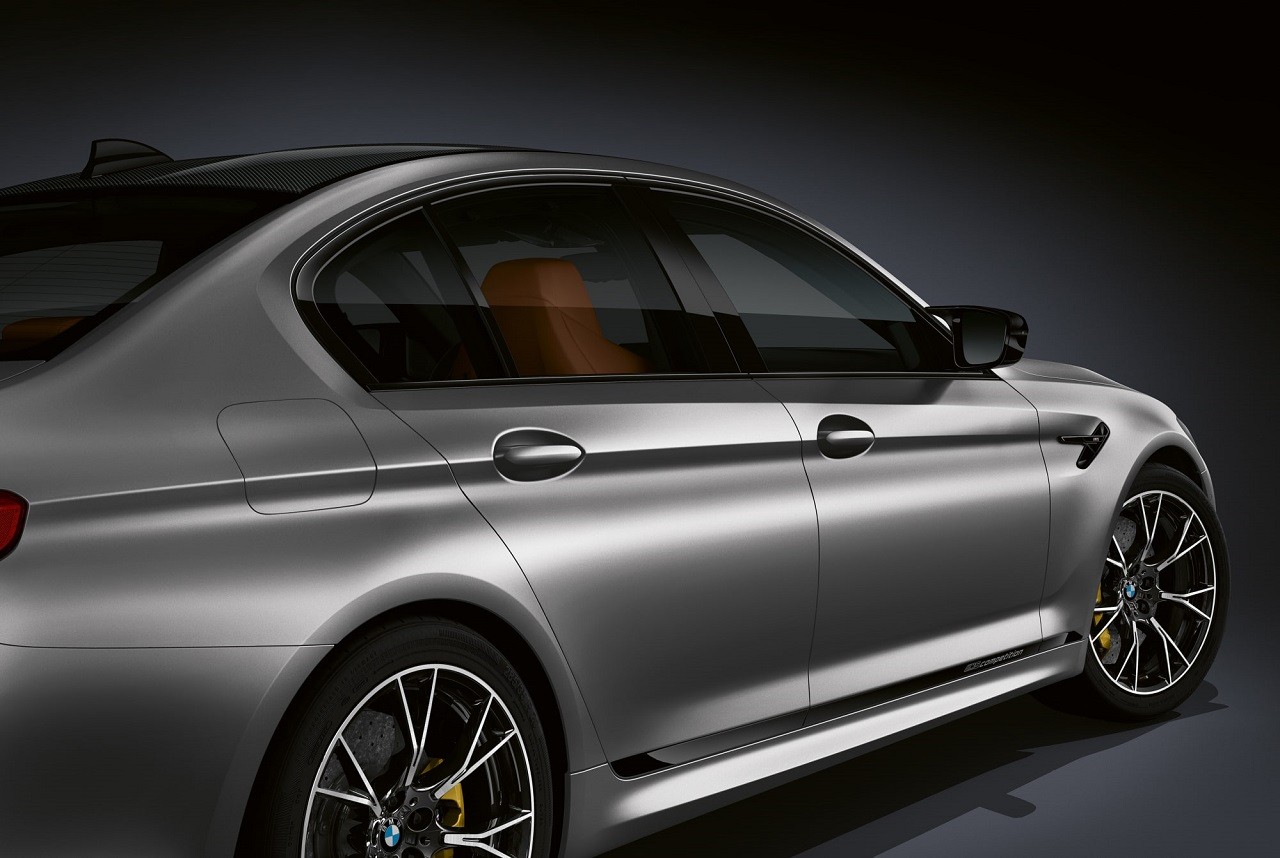
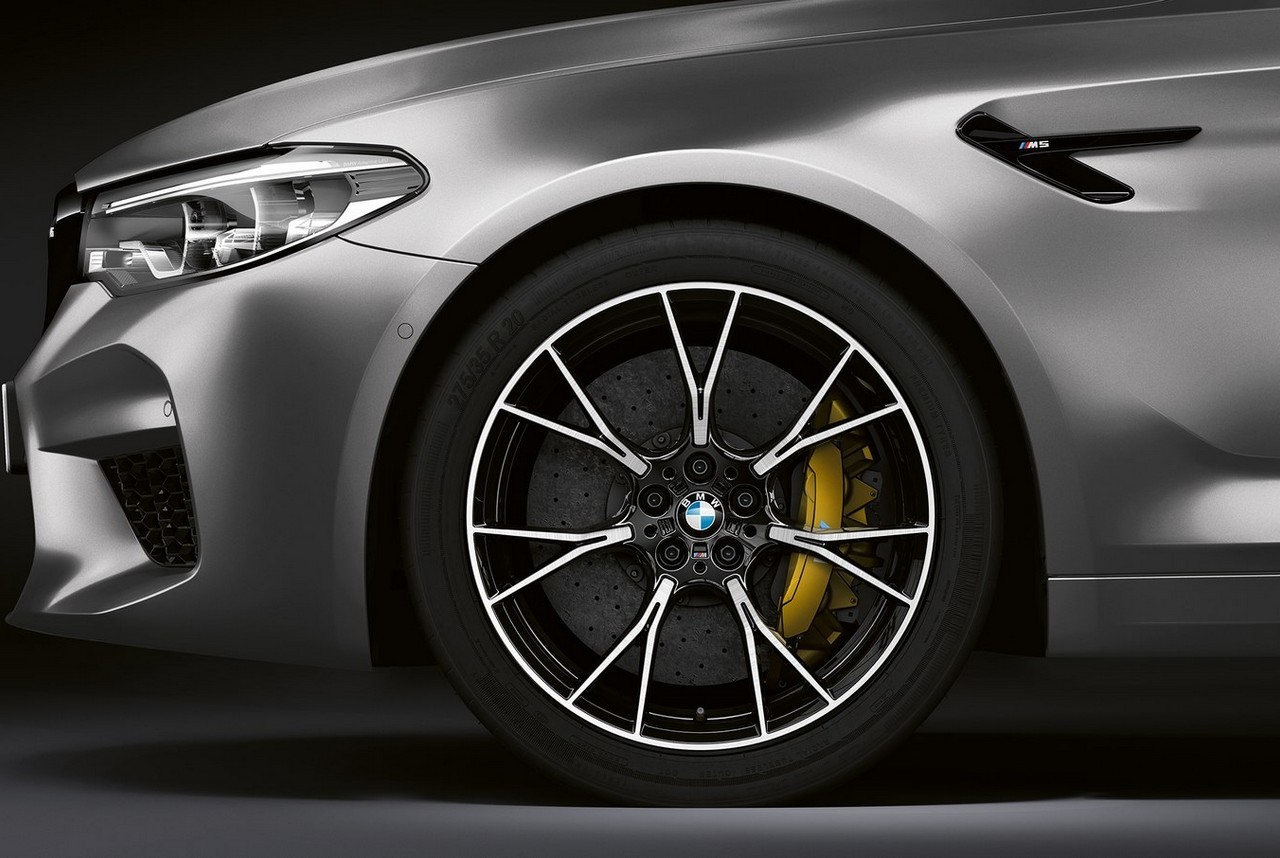
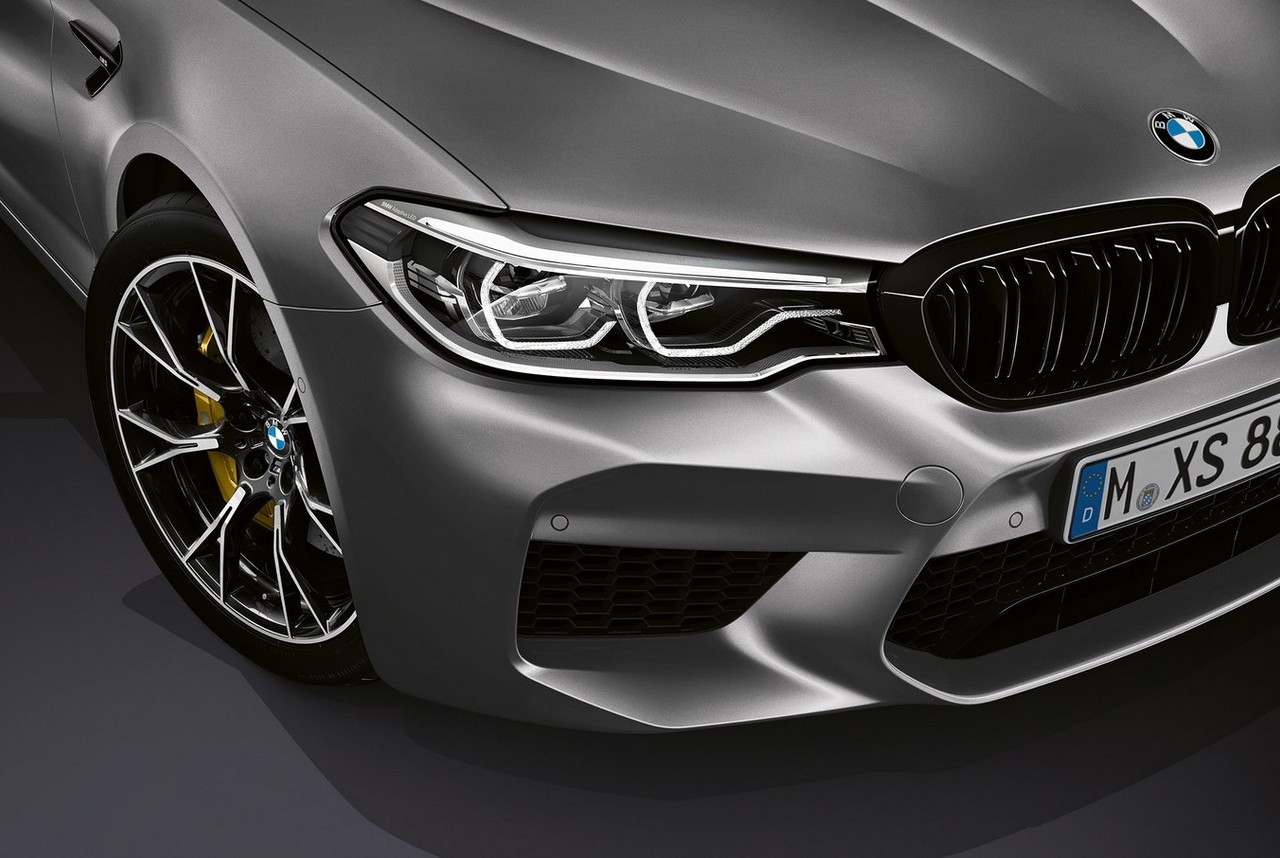
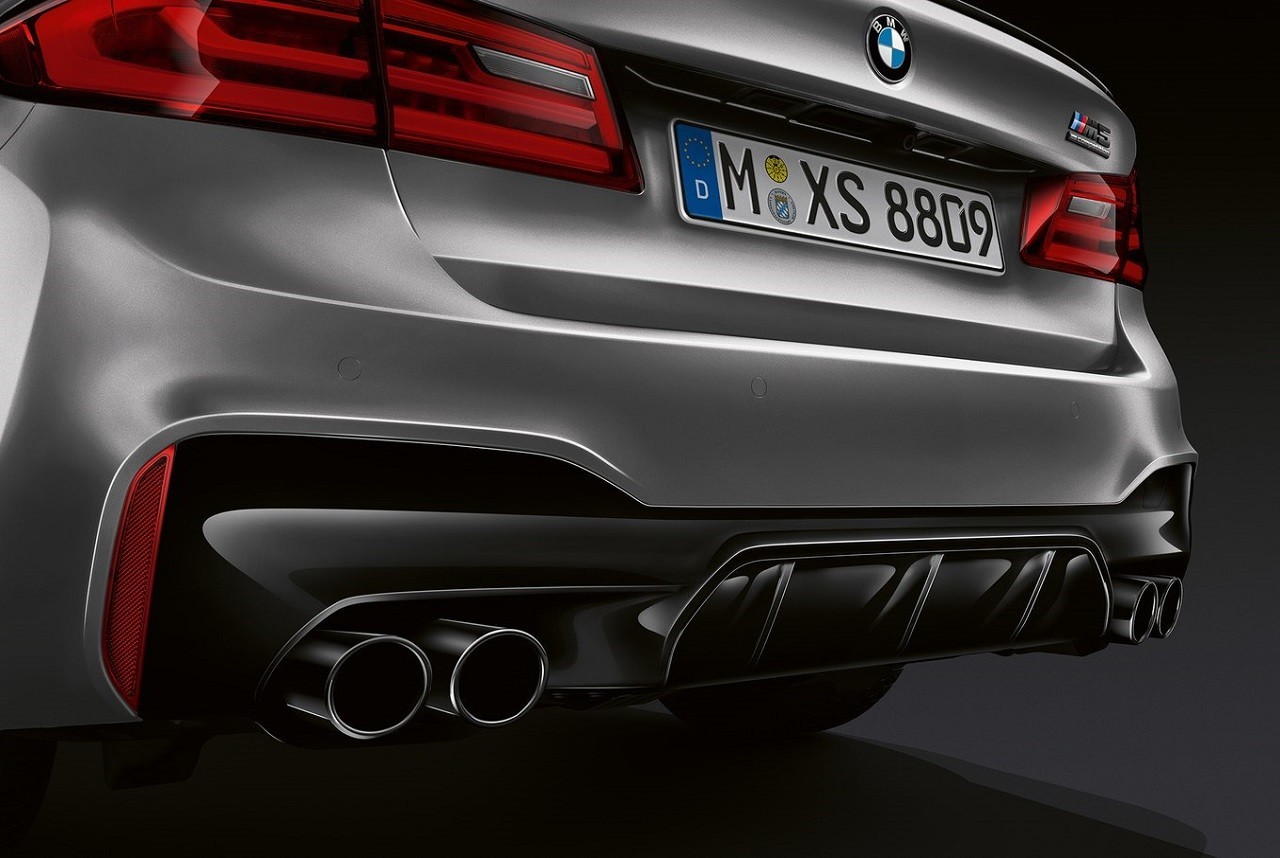
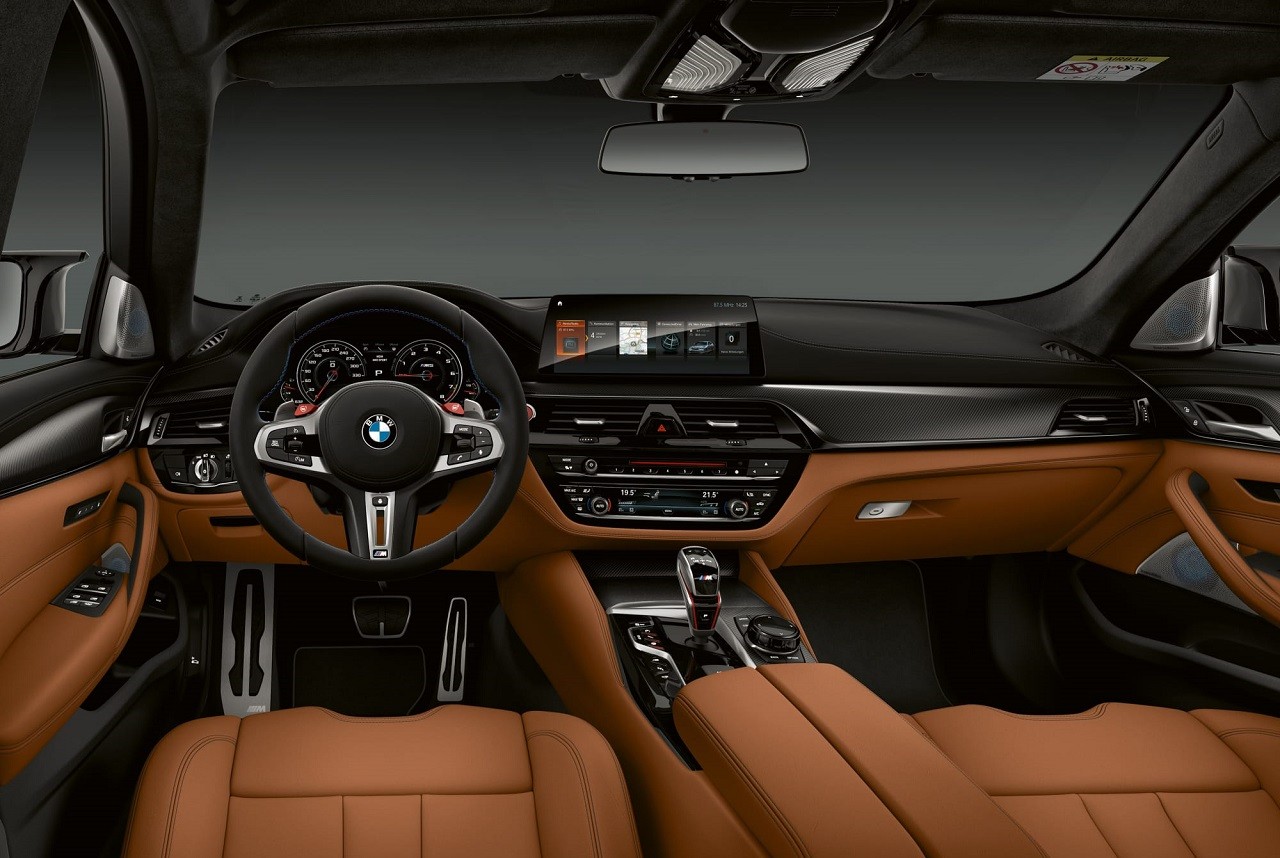
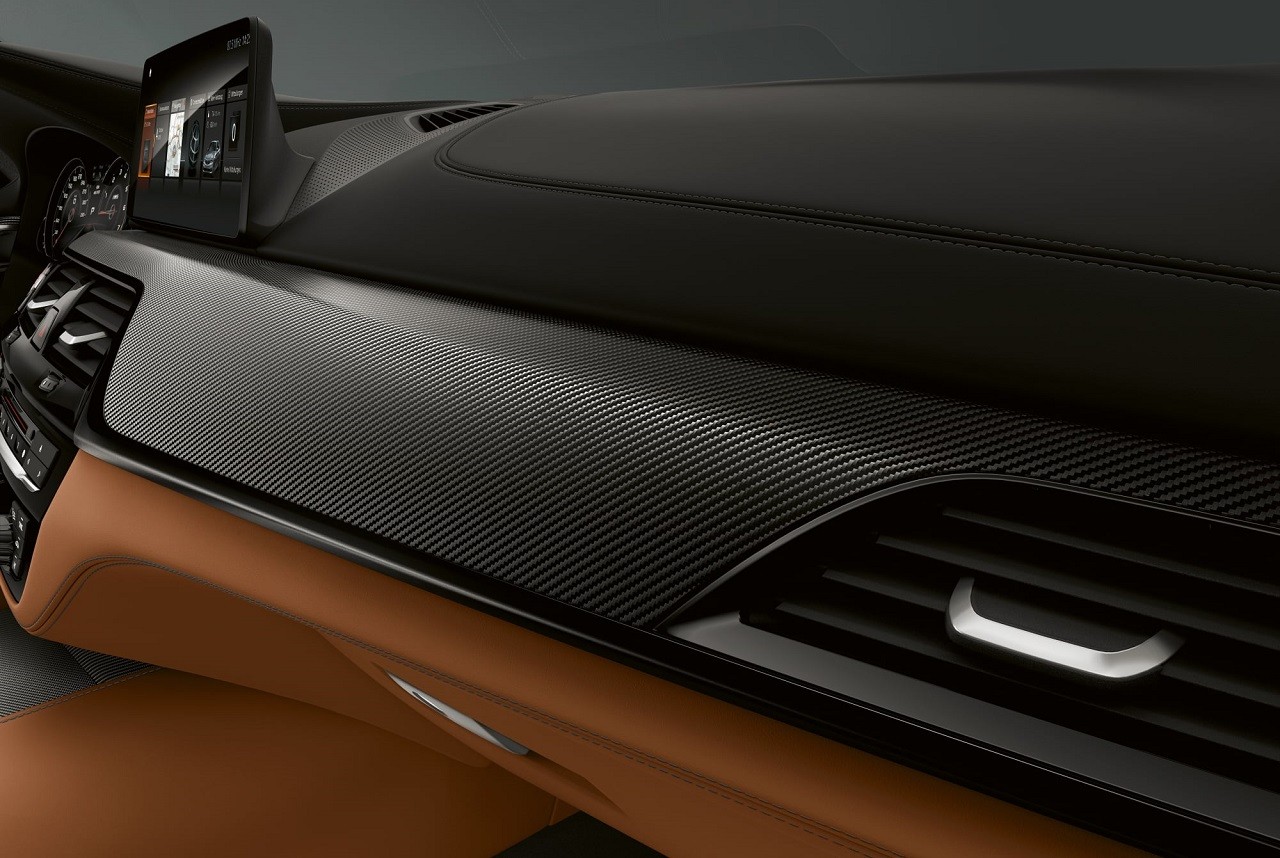
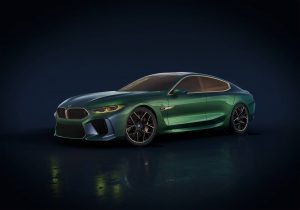 Sporting the ‘Gran Coupe’ moniker, the BMW Concept M8 Gran Coupe debuted in Geneva Motor Show with a slight glimpse of what the future holds for BMW.
 What’s funny are the stock photos look to be a nighttime rendezvous on top of a frozen lake, so that means that the M8 concept is cooler than what you have? Or a nod to James Bond and Die Another Day?